Liquid Nitrogen or Dry Vapor?
What Fertility Clinics Should Know About Cryogenic Shipping
For embryology teams, there is nothing casual about moving frozen reproductive material. Whether the shipment contains embryos, oocytes, sperm, ovarian tissue, or testicular tissue, the expectations are the same: maintain cryogenic conditions, protect sample integrity, preserve chain of custody, and avoid unnecessary risk at every handoff.
Because of that, it is understandable that some clinics are cautious when they hear the term “dry vapor shipping.” In many IVF laboratories, reproductive material is stored in liquid nitrogen systems, and “liquid nitrogen” has become almost synonymous with safety at cryogenic temperatures. So when a transport provider describes a shipment as dry vapor, a fair question often follows:
Is this as protective as liquid nitrogen?
The short answer is yes, when the shipper is properly prepared, qualified, monitored, and handled. In fact, for transport, LN2 dry vapor is often the more practical and appropriate method. The key is understanding what dry vapor shipping actually means.
How dry vapor shipping is still LN2-based shipping
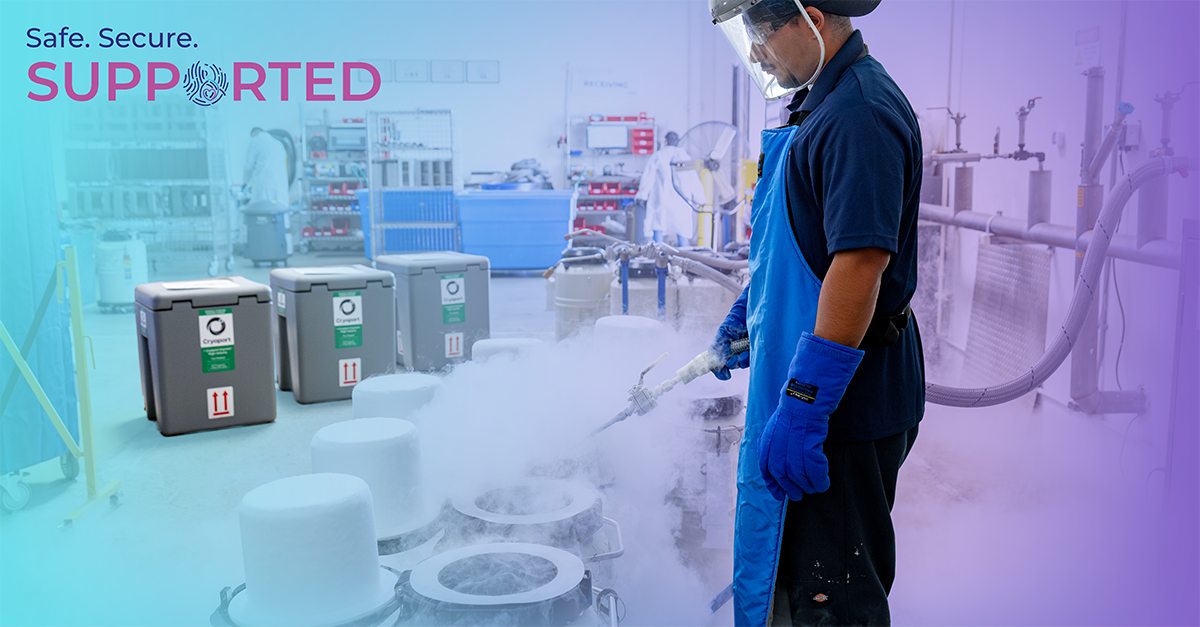
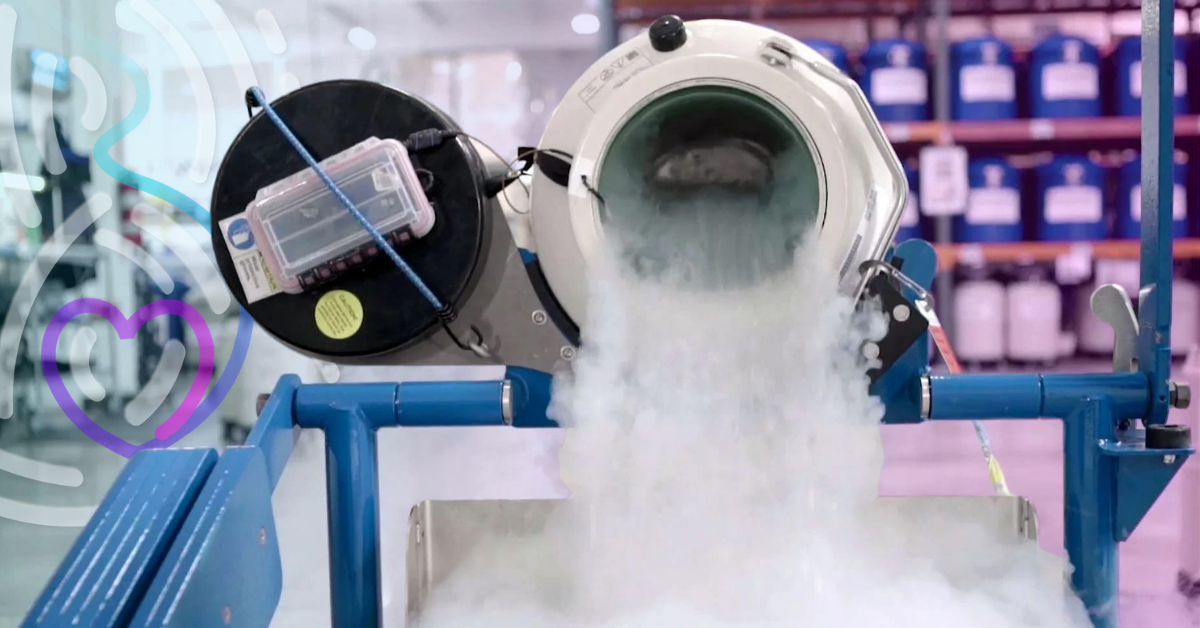
The phrase “dry vapor” can be misleading if it is heard as “not liquid nitrogen.” A dry vapor shipper is charged with liquid nitrogen before use. The difference is that the liquid nitrogen is absorbed into the shipper’s internal porous material rather than remaining as free liquid inside the vessel.
That distinction matters. A properly charged dry shipper maintains a cryogenic environment for the payload while avoiding the risks associated with free liquid nitrogen moving inside the container. In other words, the shipment is still supported by LN2. It is simply transported in a configuration designed for movement, orientation changes, aircraft handling, courier networks, and regulatory compliance.
For clinics, the practical question should not be whether the shipper contains free liquid nitrogen. The better question is whether the shipper has been qualified to maintain the required cryogenic temperature profile for the expected route, duration, and handling conditions.
Why free liquid nitrogen is not the standard for routine transport
In the laboratory, LN2 storage tanks are stationary, controlled, and managed by trained personnel. Transport is different. A shipment may be moved by courier, placed in vehicles, transferred through airports, handled in cargo environments, screened by authorities, delayed at customs, or positioned at an angle during movement.
Free liquid nitrogen introduces avoidable transport risks. It can spill if the container is mishandled or placed in the wrong orientation. It can create additional dangerous goods concerns. It can complicate airline acceptance and documentation. It also raises safety issues because nitrogen displaces oxygen as it evaporates, which is one reason cryogenic materials are handled carefully in clinical and logistics environments.
This is where dry vapor shippers provide an important advantage. When prepared correctly, they are designed so that there is no free liquid nitrogen to spill, even if the unit is tipped or moved during transit. The shipper still supports cryogenic temperatures, but it does so in a way that is better suited to real-world transport.
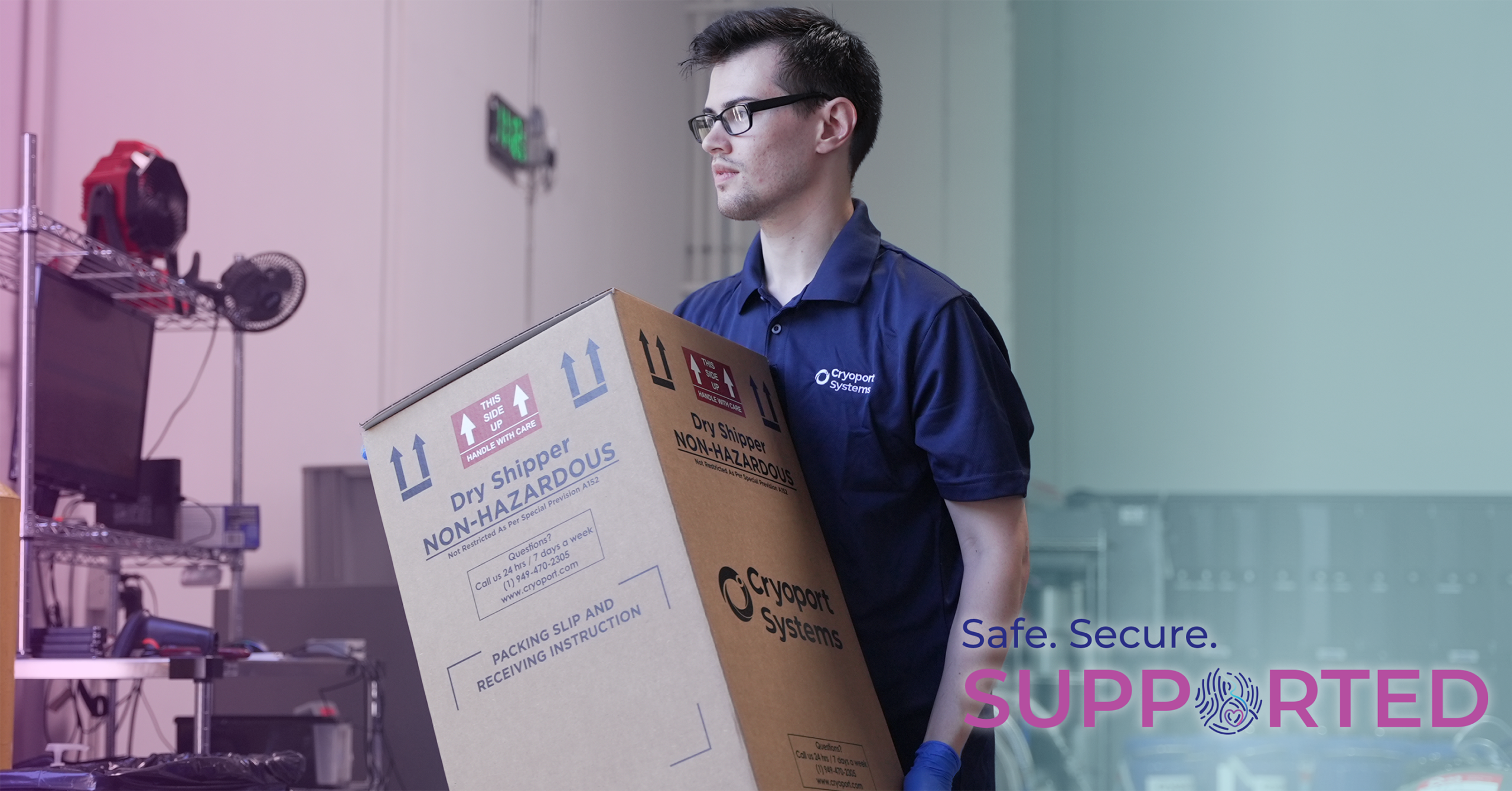
This is also why air transport rules recognize a distinction between free liquid nitrogen and liquid nitrogen that has been fully absorbed in a dry shipper. Under IATA Special Provision A152, insulated packaging containing refrigerated liquid nitrogen fully absorbed in porous material may be treated differently when it does not allow pressure build-up and does not permit the release of refrigerated liquid nitrogen regardless of orientation. The FAA describes the same basic requirements for dry shippers.
For clinics, dry vapor is a transport-specific configuration intended to maintain cryogenic conditions while reducing the hazards associated with moving free liquid nitrogen.
What matters most is temperature performance
Embryology teams are rightly focused on temperature. Vitrified reproductive material must remain below temperatures where devitrification or warming-related risk could become a concern. Clinical teams do not want assumptions. They want evidence.
That evidence should come from a qualified shipping system and documented process. A clinic should expect to see that the shipper has adequate validated hold time for the lane, that it was properly charged before shipment, that the payload area is appropriate for the material being transported, and that temperature monitoring is available for review.
This is where terminology can get in the way. If a clinic hears “vapor,” it may picture a warmer gas phase that is meaningfully different from LN2 storage. But a validated LN2 dry vapor shipper is built to maintain cryogenic conditions during transit. The concern shouldn’t be focused on the absence of free liquid, but instead on whether the shipping system, preparation process, and monitoring program are robust enough for the clinical material being moved.
Where the regulatory lens in Europe focuses
For clinics in EMEA, questions about shipping methods often intersect with regulatory expectations. This is especially true for cross-border movement of gametes and embryos. The European tissues and cells framework covers donation, procurement, testing, processing, preservation, storage, and distribution, including reproductive cells used in IVF. The implementing rules also address traceability, adverse event notification, coding, processing, preservation, storage, and distribution requirements.
Those requirements place the emphasis where clinics would expect it to be, on tightly controlled processes, traceability, authorization, quality systems, and protection of human cells and tissues. They do not create a broad rule that reproductive material must be shipped in free liquid nitrogen. Individual countries, competent authorities, or clinic SOPs may have additional requirements, and those should always be checked before a shipment moves. But at the European level, the central question is not “free liquid or dry vapor?” It is whether the shipment is controlled, documented, traceable, and suitable for the material being transported.
The UK provides a useful example of how these requirements show up in practice. HFEA notes that eggs, sperm, and embryos can be imported or exported, but the process must meet strict conditions and generally involves licensed clinics and, where applicable, authorized import pathways. This kind of framework reinforces the need for careful documentation and clinic-to-clinic coordination. It does not mean that free liquid nitrogen is the preferred or required shipping configuration.
Why the wording matters with patients and clinical teams
Many concerns around dry vapor shipping are not technical objections. They are language problems.
If a patient asks, “Will my embryos be shipped in liquid nitrogen?” a technically precise answer may sound less reassuring than intended. Saying, “No, they are shipped in dry vapor,” can create anxiety if the patient believes that “liquid nitrogen” is the only safe condition.
A better explanation would be, “Your embryos will be transported in a validated LN2 dry vapor shipper. The shipper is charged with liquid nitrogen, but it does not contain free liquid nitrogen during transport. This allows the material to remain at cryogenic temperatures while reducing spill and handling risks.”
That wording is both accurate and reassuring.
Clinic hesitation around dry vapor shipping is understandable, especially when “liquid nitrogen” has long been associated with cryogenic protection in the IVF lab. But for transport, the more relevant standard is not the physical presence of free liquid nitrogen. It is demonstrated cryogenic performance under validated shipping conditions.
A properly prepared LN2 dry vapor shipper, like the validated solutions offered by Cryoport Systems, is designed to maintain the low-temperature environment required for sensitive reproductive material while reducing the hazards of free liquid nitrogen in transit. It fits the realities of air and courier transport, supports regulatory acceptance, and gives clinics the documentation they need to make confident decisions.
For reproductive medicine, trust is built through evidence. Clinics should expect qualified equipment, clear procedures, temperature data, chain of custody, and a logistics partner like Cryoport Systems that understands the clinical value of every specimen. When those elements are in place, LN2 dry vapor shipping is not a lesser version of liquid nitrogen transport. It is the transport-appropriate way to deliver cryogenic protection.