
Reproductive Medicine Archives

Ask the CryoStork®
10/13/2026
Ask the CryoStork®: What if something unexpected happens during transit, like a delay or weather issue?
Ask the CryoStork®: What if something unexpected happens during transit, like a delay or weather issue? When you're shipping something as precious as your reproductive materials, it's completely understandable to worry about factors outside of your control. Flight delays, severe weather, transportation disruptions, and other unexpected events can happen, and many intended parents wonder what those situations could mean for their shipment. The good news is that experienced cryogenic transportation providers plan for these possibilities long before a shipment begins its journey.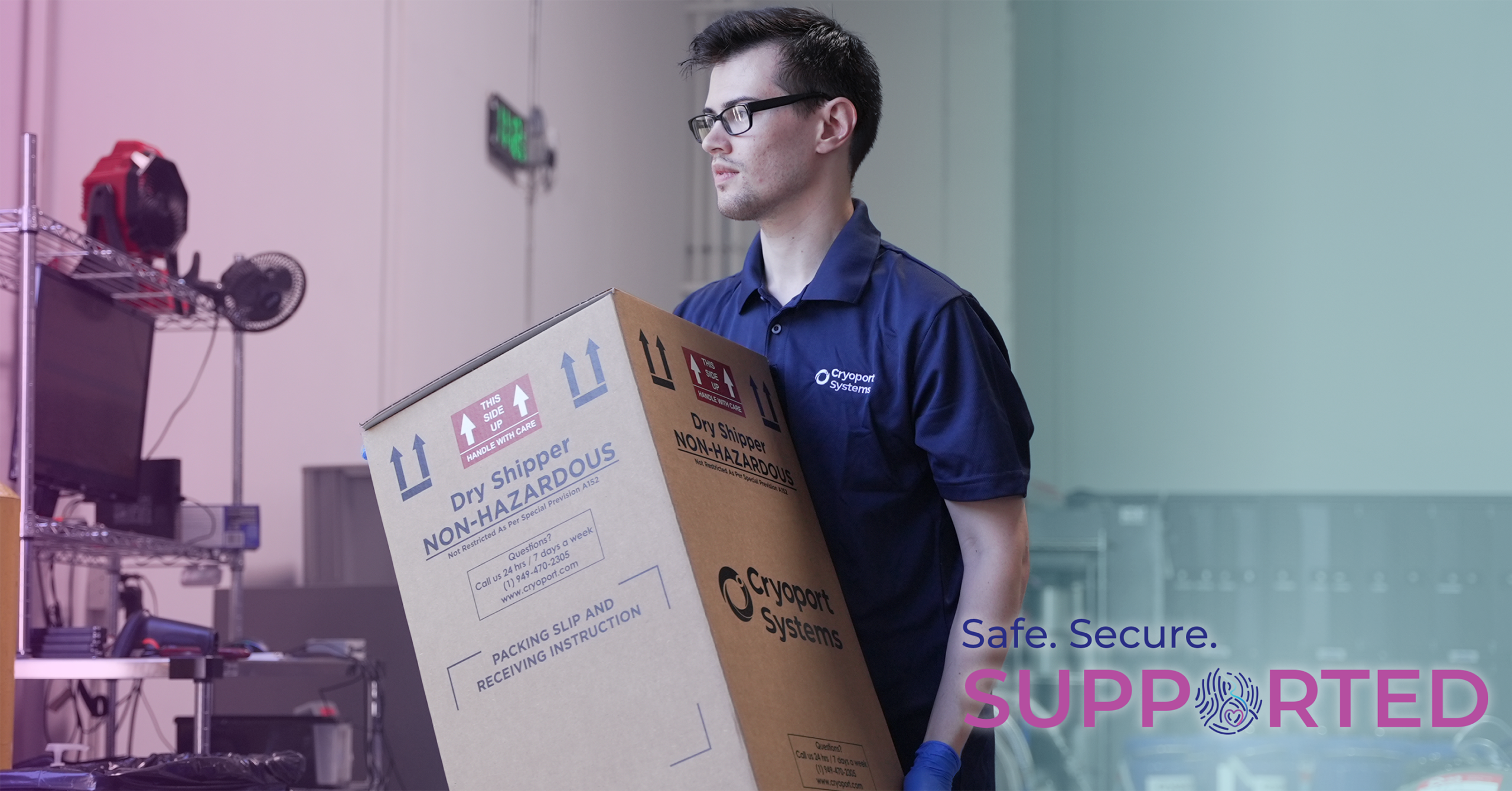
What to Expect When Shipping
09/16/2026
Why Standardization Matters in Reproductive Transport
In reproductive medicine, consistency is a fundamental component of quality. Every day, fertility clinics rely on standardized laboratory procedures to protect reproductive materials, support clinical decision-making, and deliver consistent patient care. Embryologists follow validated protocols, quality teams maintain documented procedures, and accreditation standards reinforce the importance of repeatability and control. The goal is simple: reduce variability wherever possible to help protect patient outcomes.
Ask the CryoStork®
09/03/2026
Ask the CryoStork®: Can I preserve my fertility before starting treatment for ovarian cancer?
Ask the CryoStork®: Can I preserve my fertility before starting treatment for ovarian cancer? If you've recently been diagnosed with ovarian cancer, you are carrying a lot right now. Between conversations about treatment, appointments, and next steps, it's completely natural to wonder what this diagnosis could mean for your hopes of having children in the future. The good news is that fertility preservation may be an option worth discussing with your care team before treatment begins.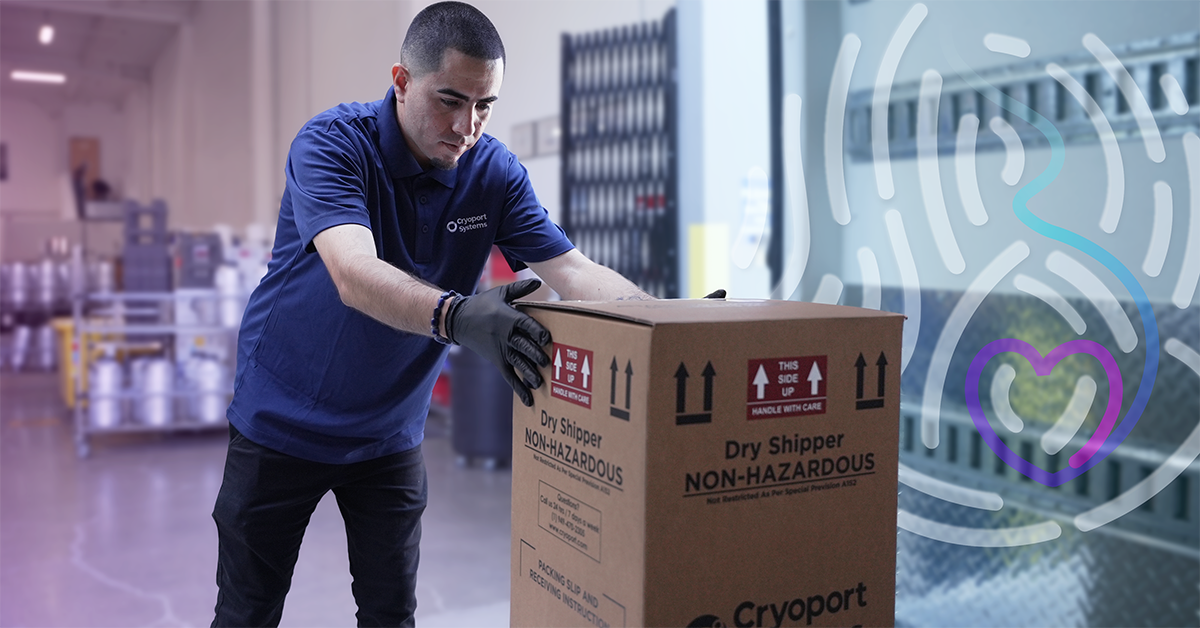
What to Expect When Shipping
08/04/2026
Scale Your Fertility Network Without Starting Over
Growth is a positive sign for any fertility organization. Whether it involves opening a new clinic, adding a satellite location, expanding laboratory capabilities, or acquiring another practice, growth signals increasing patient demand and a commitment to making fertility care more accessible. While growth creates new opportunities, it also introduces operational complexity.
Ask the CryoStork®
08/03/2026
Ask the CryoStork®: Can I still feel in control of the shipping process if I’m not the one transporting my materials?
Ask the CryoStork®: Can I still feel in control of the shipping process if I’m not the one transporting my materials? Whether you're moving embryos, eggs, or sperm between fertility clinics, to a long-term storage facility, or in preparation for a surrogacy journey, you may be feeling a mix of excitement and anxiety. After all, these aren't just biological materials. They represent years of future family-building plans and deeply personal hopes.
Ask the CryoStork®
07/06/2026
Ask the CryoStork®: Is it safe to move my embryos between IVF clinics?
Ask the CryoStork®: Is it safe to move my embryos between IVF clinics? For many Intended Parents, frozen embryos represent years of hope, planning, and perseverance. It's no surprise that the thought of moving them can feel intimidating. In fact, one of the most common concerns we hear is whether transport itself could place those embryos at risk.
What to Expect When Shipping
07/06/2026
The Transport Foundation for a Growing Fertility Network
Fertility networks often grow faster than the operational systems beneath them. A new site joins the organization, patient volume rises, services become more distributed, and the processes that worked well in one clinic suddenly have to support a much larger clinical ecosystem. This is where growth becomes complicated. The visible parts of expansion may be carefully planned, but the daily movement of reproductive materials often reveals whether the network is truly operating as one organization or as a group of clinics connected by shared ownership.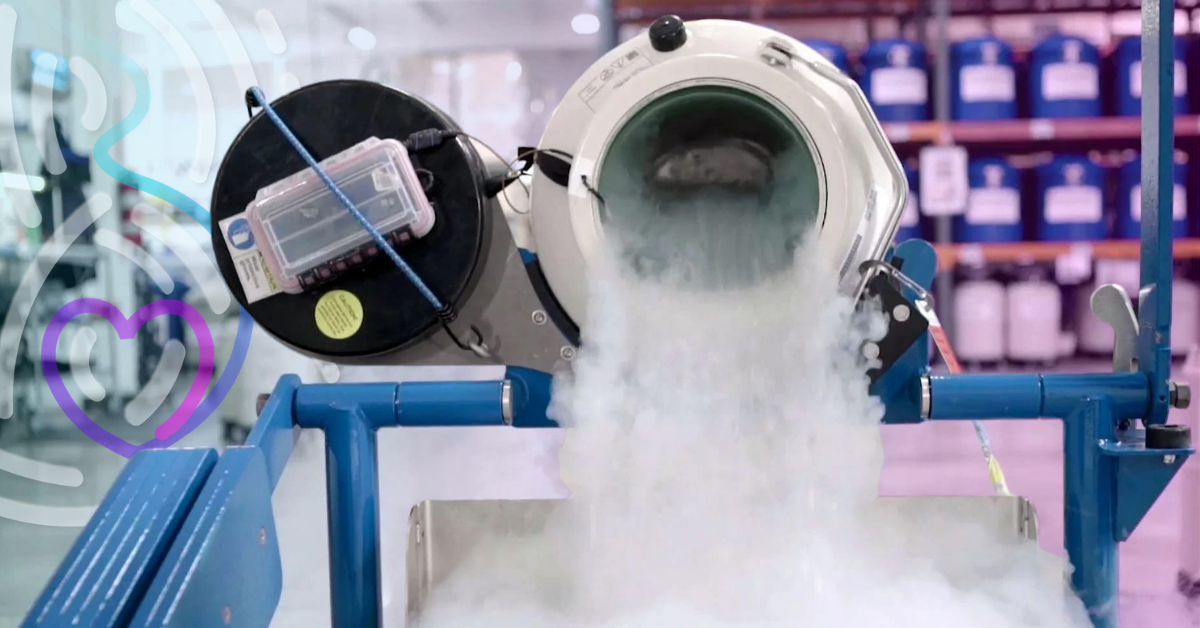
What to Expect When Shipping
06/22/2026
Liquid Nitrogen or Dry Vapor? What Fertility Clinics Should Know About Cryogenic Shipping
For embryology teams, there is nothing casual about moving frozen reproductive material. Whether the shipment contains embryos, oocytes, sperm, ovarian tissue, or testicular tissue, the expectations are the same: maintain cryogenic conditions, protect sample integrity, preserve chain of custody, and avoid unnecessary risk at every handoff.
Ask the CryoStork®
06/22/2026